
Who’s Really Using Government GIS Maps? (Hint: It’s Not Just the County)

When you think about GIS mapping software used by local governments, it’s easy to picture city planners and county engineers sitting behind their desks, adjusting zoning boundaries or tracking infrastructure projects. And yes, they definitely are. But here’s the surprise: government-run GIS maps have become a go-to resource for a wide variety of users outside of local government.
So, who else is tapping into this valuable data? Let’s take a closer look at the unexpected (and growing) community of people who rely on public GIS maps every day—and why it’s important for governments to keep these tools accessible, accurate, and user-friendly.

1. Realtors and Property Investors
This one isn’t surprising, but it’s worth highlighting just how deeply the real estate industry relies on GIS.
Realtors use county GIS maps to confirm property boundaries, zoning, flood zones, and tax information. But savvy investors also use these maps to spot development opportunities, understand neighborhood trends, and assess infrastructure proximity. Many even integrate GIS data into their own apps or platforms.
Fun fact: A 2021 report by the National Association of Realtors emphasized the growing role of spatial data in commercial real estate site selection and market analysis.

2. Land Surveyors and Civil Engineers
Surveyors are among the most frequent users of public GIS portals. Accurate, up-to-date base maps help them validate field data and align projects with county records. For civil engineers, access to parcel maps, elevation data, and utilities helps them design projects that fit within existing infrastructure and meet regulatory guidelines.
InteractiveGIS clients often request custom layers and workflows that support surveying and development needs. With our browser-based mapping tools, even field crews can access data from tablets or mobile devices—no need to call the office for details.

3. Environmental Consultants and Conservationists
GIS maps play a key role in environmental assessments, watershed studies, and land conservation. Public layers often include wetlands, streams, soil types, tree canopy data, and endangered species zones. Whether it’s for a timber management plan or a solar development site study, this information is vital.
One great example: groups like The Nature Conservancy have long used GIS in habitat mapping and land acquisition efforts. In 2020, they rolled out a national GIS tool to visualize migration corridors for wildlife.

4. Emergency Planners and Volunteer Organizations
During natural disasters, GIS becomes a lifeline. But it’s not just emergency managers using the maps.
Volunteer groups—like disaster response teams, church organizations, and even citizen-led search parties—often access public GIS maps to identify road closures, shelter locations, and high-risk areas. Some communities have even added mobile-friendly dashboards that let residents report storm damage or blocked roads.
iGIS© offers custom work order tools for clients that make this kind of interaction easier. Local governments can invite trusted users to submit field updates, attach photos, or track needs in real time.

5. Historians and Researchers
Academic researchers, local historians, and genealogists often use GIS data to dig into the past.
Overlaying old plat maps with modern GIS layers allows for in-depth studies of urban development, land use change, and even family property history. Many counties now publish historic parcel data and aerial imagery as part of their GIS platforms, creating valuable public archives.
In fact, the Library of Congress recently highlighted how GIS is supporting historic preservation and cultural landscape mapping.
6. Utility Companies and Infrastructure Contractors
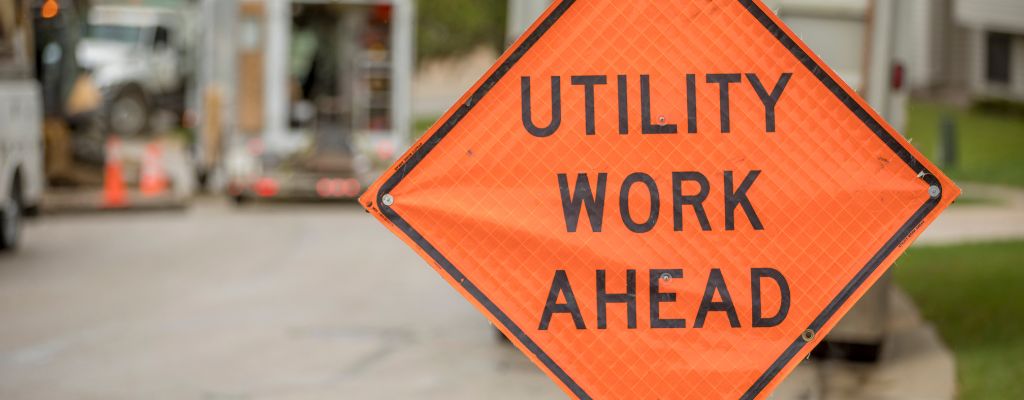
Utility providers often work hand-in-hand with public GIS systems to coordinate underground work. Access to accurate parcel and easement data helps avoid costly mistakes during excavation. Broadband companies, in particular, use GIS to plan fiber expansion and verify pole locations or rights-of-way.
With InteractiveGIS, utility partners can be granted secure access to specific layers—like stormwater systems, power lines, or hydrants—without needing full admin control. It’s a collaborative approach that saves time and builds trust.

7. Outdoor Enthusiasts and Trail Planners
Hikers, mountain bikers, and paddlers often use GIS data for trip planning—especially in counties that provide recreation layers showing trailheads, boat launches, and park boundaries. Trail organizations even help maintain these maps by sending updates or GPS tracks to local GIS departments.
Counties that integrate photospheres or 360-degree views (a feature supported by iGIS©) make it even easier for users to visualize a trail before setting out.
Why It Matters
The takeaway? GIS isn’t just for government employees.
Communities are stronger when public mapping tools are easy to use, well-maintained, and built with the end-user in mind. That’s where InteractiveGIS shines. Our web-based GIS solutions are customizable, secure, and made for the real world—where the people using the map might be a county commissioner or a local beekeeper looking to protect native pollinators.
By creating flexible platforms that serve both internal staff and the broader public, we help communities stay connected, make informed decisions, and adapt to changing needs.
If you’re a government agency wondering who else might be using your GIS—and how to support them—let’s talk. Explore how your public GIS map can work harder. Reach out to our team for a custom consultation.