


Every December, elves come out of hiding. Some spread cheer and others quietly wreak havoc in GIS shops everywhere.
These are the naughty elves. They do not break systems out of malice. They do it out of habit, speed, or good intentions taken just a little too far. If any of these feel familiar, that’s the point. We have all worked with these elves. Some of us have been them.

The One-File Elf
This elf keeps everything in a single shapefile named FINAL_v3_REALLY_FINAL. It works great until they are out sick or leave the organization. Suddenly no one knows where the data lives or which version is correct.
Simple Lesson: The real cost shows up fast when data lives in one place. Shared environments and documented storage are insurance, not overhead.

The Field Data Elf
This elf collects field data with no domains, no required fields, and free text everywhere. Main Street appears five different ways. Dates are optional. Notes are creative.
Simple Lesson: Cleanup becomes harder than collection. Structure first always wins. A few extra minutes upfront can save weeks later.

The Shadow IT Elf
This elf builds something impressive in a personal account or side tool. It solves a real problem and everyone relies on it. Then the elf leaves. Access disappears and so does the solution.
Simple Lesson: Sustainability matters more than brilliance. If the system cannot survive staff changes, it is not really a system.

The “We’ll Fix It Later” Elf
This elf knows the data is not quite right but ships it anyway because the deadline is close. Later never comes. The layer gets reused. The errors spread quietly.
Simple Lesson: Small inaccuracies compound fast in shared systems. Bad data is rarely contained to one project.
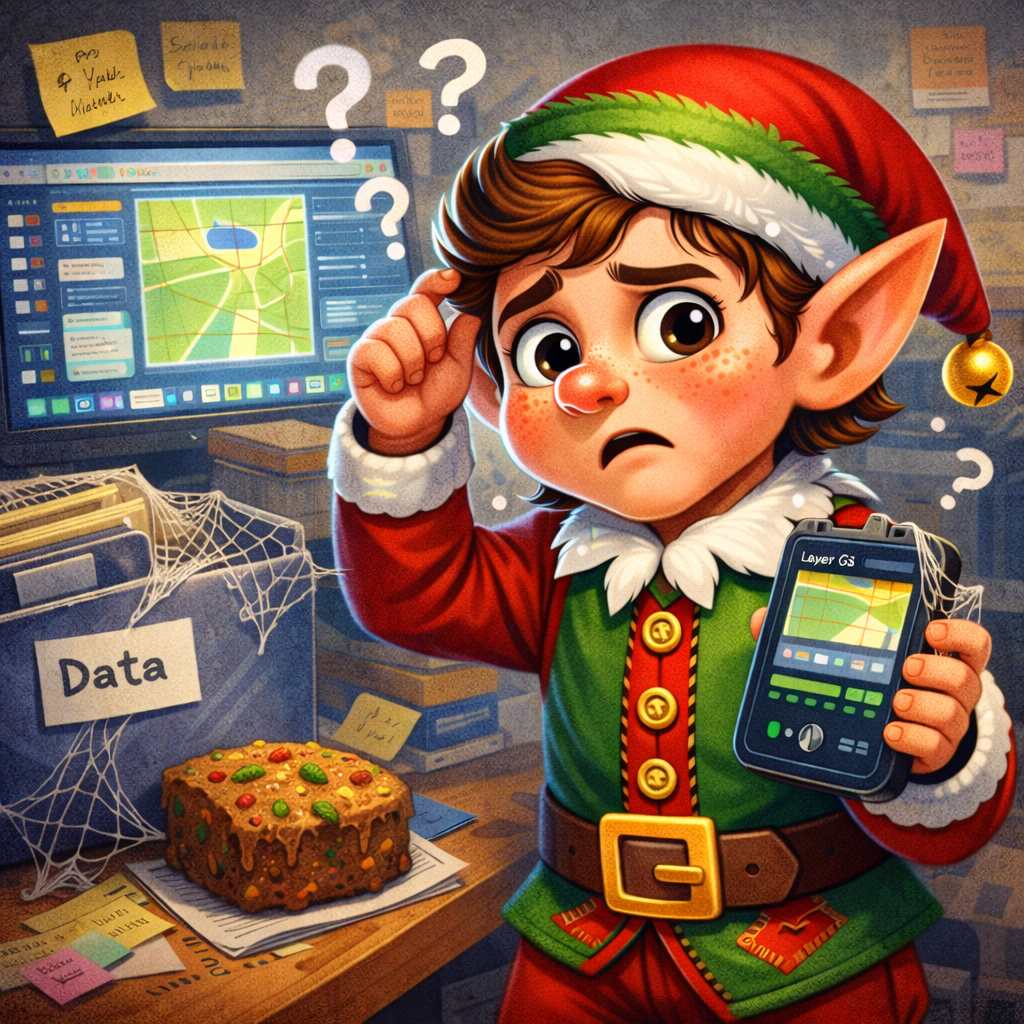
The Metadata Elf
This elf knows everything about the data but writes none of it down. Six months later no one remembers where the layer came from, how current it is, or what its limits are.
Simple Lesson: Undocumented data ages faster than bad fruitcake. Metadata is not busywork, it is memory.

The Over-Automation Elf
This elf builds a powerful model with dozens of steps, hard-coded paths, and clever shortcuts. No one else can run it. One broken link and it collapses completely.
Simple Lesson: Automation should survive its creator. Simple and understandable beats impressive and fragile.
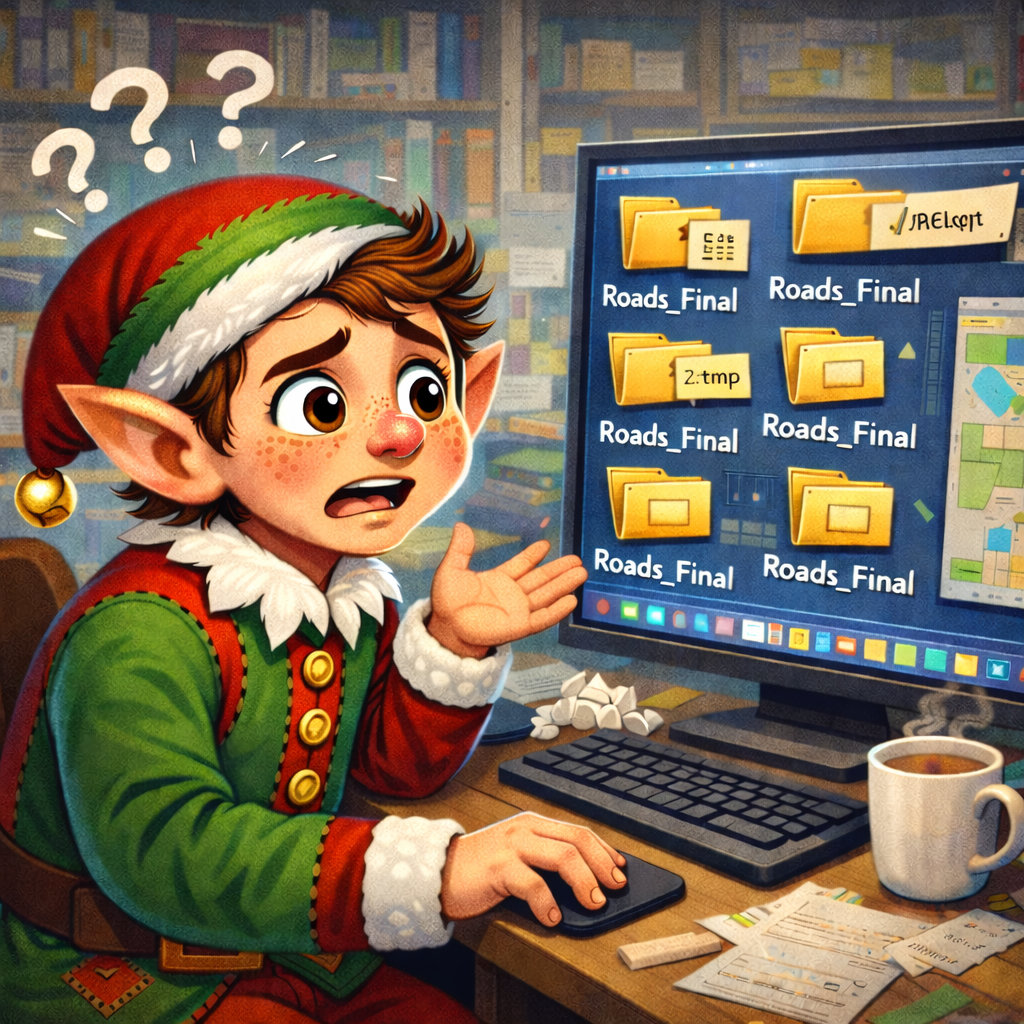
The Duplicate Name Elf
This elf has five layers called Roads_Final scattered across folders. Each one is slightly different. None are correct. Every new project starts with confusion.
Simple Lesson: Naming conventions are not optional. They are how teams think clearly together.
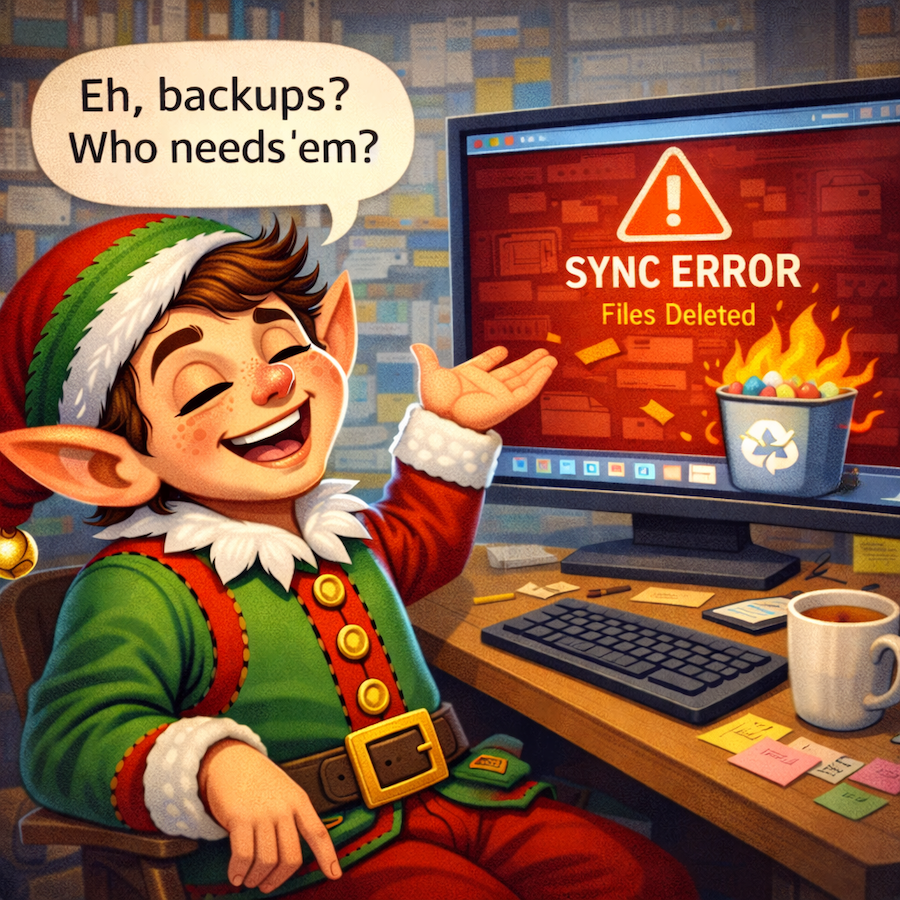
The “We Don’t Need Backups” Elf
This elf assumes nothing bad will happen. Then a sync error, ransomware scare, or accidental delete wipes out weeks of work.
Simple Lesson: Backups are invisible until they are priceless. By the time you need them, it is already too late to create them.

The “Everyone Uses It Differently” Elf
This elf lets each department define the same field their own way. Active means under construction to one group and abandoned to another.
Simple Lesson: Shared data needs shared definitions. Without agreement, analysis becomes guesswork.
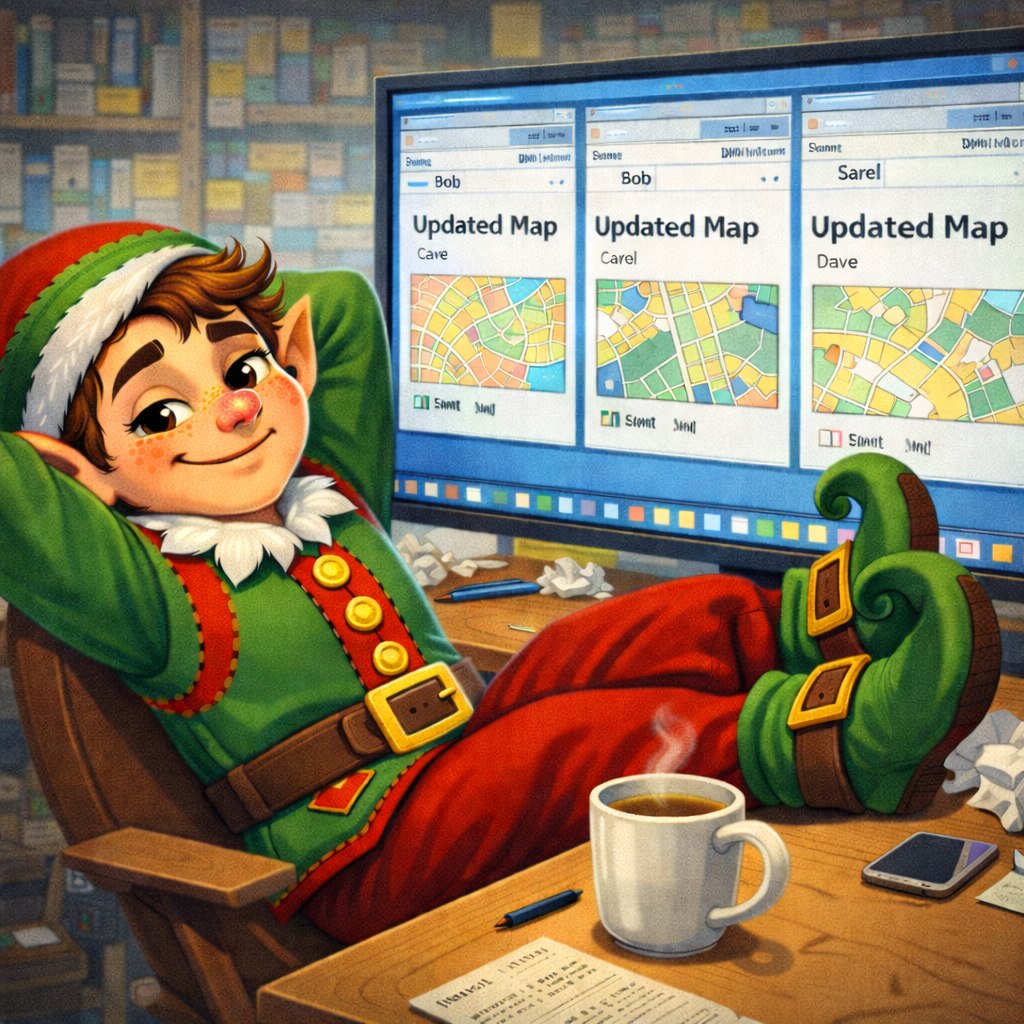
The Email-Only Elf
This elf delivers GIS work exclusively through email attachments. Versions fork immediately. Nobody knows which map is current.
Simple Lesson: Delivery methods are part of system design. If distribution is chaotic, trust erodes fast.
Bad Habits Are a Systems Problem, Not a People Problem
Breaking bad GIS habits usually does not come down to willpower, it comes down to systems. Most of these naughty elf behaviors show up when teams lack a shared place to work, clear ownership, and guardrails that make the right thing easier than the risky thing. That is where an organizational GIS system can quietly change behavior.
iGIS® is designed to be that shared environment. Data lives in one place, not on desktops or in inboxes. Permissions and roles help prevent accidental edits while still keeping information accessible. Field data collection can be structured from the start, which cuts down on cleanup later. Metadata, naming conventions, and version awareness become part of the workflow instead of afterthoughts.
Just as important, iGIS® is built to outlast individuals. When someone is out sick, changes roles, or leaves an organization, the system keeps working. Knowledge stays with the organization instead of walking out the door.
No software magically fixes process problems, but the right platform makes good habits easier to keep and bad ones harder to repeat. If your GIS team is tired of chasing elves around the workshop, iGIS® is a tool worth considering as you plan for a calmer, more sustainable year ahead.
The best Christmas gift? A FREE 90-day demo of our software using your data. Start the new year with fewer surprises.

Why Winter Is Your Best Season for GIS Work