
How GIS Can Spot Hidden Opportunities for Small Businesses

You don’t have to own a national chain to make data-driven business moves. Today’s mapping technology puts location intelligence, the kind big corporations rely on, within reach for small businesses, local entrepreneurs, and economic development teams. The secret? Geographic Information Systems (GIS) and the power of layering multiple datasets to see opportunities that competitors miss.
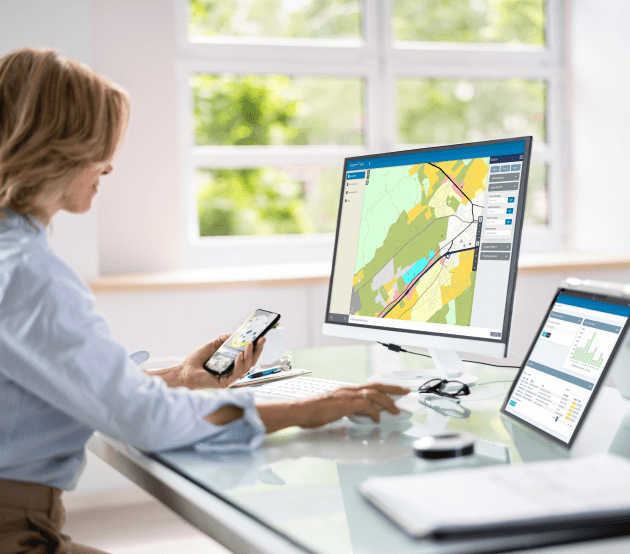
When you combine demographic, traffic, and zoning information on a single interactive map, you can pinpoint the best places to open, expand, or target with marketing. This approach takes the guesswork out of growth and replaces it with clear, visual evidence.
Seeing the Market Beyond the Numbers
Demographics are more than just population counts—they’re the DNA of a community. GIS can map income levels, age ranges, education, household sizes, and spending habits to reveal areas with your ideal customer profile. For example, a café might be looking for neighborhoods with a high density of remote workers, while a boutique gym might focus on areas with a younger population and above-average income.
In a Penn State World Campus overview, GIS is highlighted as a way for businesses to visualize where customers live, how they travel, and where untapped demand exists (Penn State World Campus). This visual context is far more actionable than a spreadsheet.
Following the Flow of People
A great location doesn’t just have the right people, it also has the right movement patterns. GIS tools can incorporate traffic counts, commuter flows, and even anonymized mobile location data to map how many potential customers pass by during a day.
Consider the example of Burger King’s “Traffic Jam Whopper” campaign. Using location-based targeting, the chain offered mobile ordering to drivers stuck in high-traffic zones, increasing delivery orders by over 60% (AlphaMap). While your small business may not run a global ad campaign, the principle is the same: understand where people already are, and meet them there.
Matching Your Plan to Local Rules
Even the most promising location can turn into a costly misstep if it’s not zoned for your intended use. GIS allows you to overlay zoning maps so you can see at a glance whether your business type is allowed in an area and spot districts with flexible land use policies that encourage commercial growth.
This kind of suitability analysis is common in real estate development, but it’s just as valuable for small businesses. You can combine zoning with infrastructure access, parking availability, and competitor locations to score potential sites for their business potential (Geography Realm).
An Entity Success Story
In Pueblo County, Colorado, economic development leaders used GIS to map business clusters, analyze demographic trends, and share interactive data with potential investors. By visualizing opportunity zones alongside workforce data, they were able to attract businesses that fit the county’s growth vision (ESRI – Economic Development).
This approach doesn’t just help governments; it gives local entrepreneurs the insight they need to position themselves where demand will meet supply.
Turning Insights into Action
Here’s how a small business or local chamber could use a GIS workflow to find hidden opportunities:
- Define Your Target Market
Start with customer data: age, income, household type, spending habits. Map them to see where your audience is concentrated. - Add Traffic & Access Layers
Include vehicle counts, public transit routes, and walkability scores. Look for high-visibility corridors that match your audience map. - Overlay Zoning & Infrastructure
Check where your type of business is permitted, and ensure necessary utilities and parking are available. - Run a Suitability Analysis
Assign weight to each factor—demographics, traffic, zoning—and rank the best areas. - Ground-Truth Your Map
Visit top sites to confirm what the data shows. Sometimes the final insight comes from standing on the sidewalk.
Why This Matters for Small Businesses
The benefits go beyond choosing a location:
- Lower Risk – Avoid investing in areas with low customer potential.
- Smarter Marketing – Target outreach to neighborhoods most likely to respond.
- Faster Growth – Spot underserved areas before competitors do.
- Better Partnerships – Work with local government or development agencies to align with planned growth zones.
As GIS consultant GISCarta puts it, “Understanding who your customers are and where they are located can dramatically improve your business decisions” (GISCarta).
Bringing It All Together
Layering demographic, traffic, and zoning data is like stacking transparency sheets on an overhead projector—except your “map” is live, interactive, and full of insights you can act on immediately. Whether you’re a retailer, restaurant owner, service provider, or startup, GIS gives you the vision to grow with confidence.
At InteractiveGIS, we help local governments, business associations, and community organizations build GIS tools that uncover these hidden opportunities. If you want to see how your community’s data could guide smarter business decisions, we can show you—using your own map.